
The transaction of a traditional sports brand
‘For the first 5 years I made one product, it’s about being committed to one idea and making it the very best that I could.’ said by the Under Armour CEO Kevin Plank. And therefore, when people think of Under Armour (UA), the first thing came across people’s mind is UA’s sports compression shirt which was the first product made by Kevin Plank in 1996. Based on this philosophy, UA has now became the top 5 sports brand on the planet.

However, one type of products can’t not help the brand to stay in this highly competitive sports brand market for decades, so if you ask Kevin Plank now, he may tell you ‘data is the new oil. ’, which he wouldn’t have said 20 years ago.
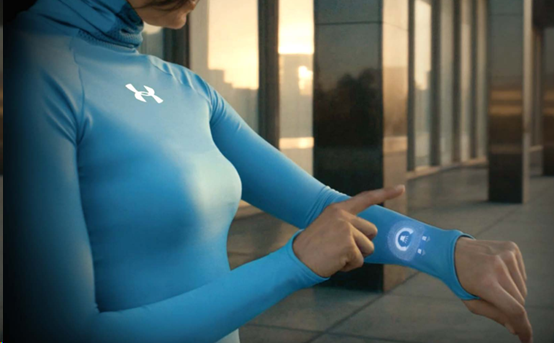
In 2013, the sports brand giant Under Armour has started to make its move into the digital world by launching it’s own digital fitness platform called Connected Fitness that aims to connect the whole world by sports, which has been invested for more than $710 million until 2017. It offers digital advertising through its MapMyFitness, MyFitnessPal, Endomondo and UA Record applications as well as digital fitness platform licenses and subscriptions. People can track their everyday exercise performance and share their tips with people all around the world.
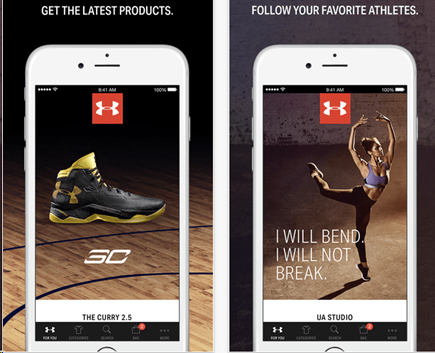
Does the Connected Fitness worth the money, or in other words, are there actually more opportunities for operating in a digital location rather than physical location?
With the decline in the recent high-street shopping, more and more brands starting to run away from the traditional way of retailing and opening up their own online businesses.
- Operating on physical locations mean more expenses on staff and rent, as a result, more companies chose to transit to digital way for more revenue opportunities.
- People in different locations connected more than ever through nowadays digital technologies, so why opening a shop on High Street and face only the local customers instead of the whole world?
- Digital technologies collect huge amount of customer data, and further aid the company to make a better customer profiles and marketing strategy.
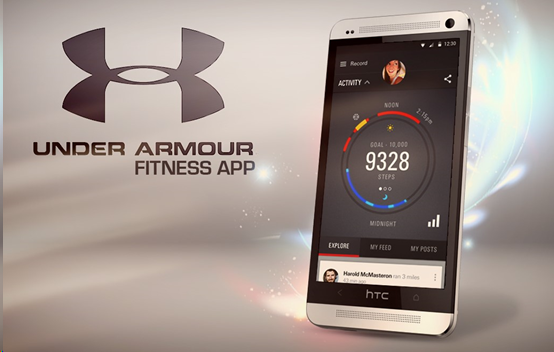
As for UA, the Brand started strong in 2015 with the purchase of fitness app companies Endomondo and MyFitnessPal. With the technology in place, Under Armour launched UA Record, the world’s largest fitness platform and an online social hub for the everyday athlete. Today, with MyFitnessPal boasting over 200 million users, UA has been established as a company that doesn’t just change how athletes dress—but change how they live.
So, does the physical location even matter anymore?
Nowadays, you can attend a Skype meeting anywhere anytime as long as you have a mobile device with internet, likewise, you can buy anything around the world wherever you are. Yes, location seems not as important as before.
As a matter of fact, UA has distributed 151 factory house stores mostly in North America. In the meanwhile, it has different hubs of logistics for shipping to different destinations. But besides being a warehouse hub, physical hubs became more like a show space which designed to display UA’s unique brand image in sports rather than just a retail shop.
However, physical store can improve customer awareness and guaranteeing the quality of the products to customers. Also, for the products that need to be returned, physical store is a better way than shipping. How many customers are tired of waiting to mail the unwanted items back and checking their bank account everyday for the refund? On the other hand, face to face communication in shops would help customers further engage with the company, thus, increase customer loyalty. Therefore, although digital operation is a trend, but a physical hub is still necessary.
Challenges, trade-offs and further development for digital operation
Getting everything digital, in my opinion, means getting everything including risks.

Users would input their personal information and even financial account to the company digital platforms. If the platforms crash, millions of data will be exposed to the public or even worse, someone could steal others’ credit information. We have seen how leaked data could have an affect on us from the recent Facebook scandal. Similar thing happened to UA, the App “my fitness pal” has a 1.5 billion of users’ information breach, including user names and passwords, which triggered the company’s stock fell by 2.4%, but more importantly, a dramatical fall in customers trust, which would be difficult to fix in a short run.
In conclusion, it is not a surprising anymore to see brands like Under Armour to have its own digital platform. However, it is still not feasible for most companies to only have the online platform but no store in any physical locations. Although the App gives company flexibility, more customer information and advertising opportunities, there still involve a lot of time and budget to ensure and maintain the platform’s stability, which in most cases, more expensive than investing in physical stores. Undoubtably, the digital locations provided company with a much wider customer group and a high potential revenue, but there is still a long way for this method to be sustainable and more regulations should be applied in order to protect the customer data securities.
 Yuchen
Excellent article on how a brand that sells a simple product (clothing items in this case) can take it to a digital platform. Evidently, the most straight forward way for Under Armour to have an online presence would have been through a web-shop, but they took it to another step and diversified into a health / fitness application. Whilst this was a high risk move, we should also consider that big players like Nike and Adidas already have an established digital presence. Nike even took it to the next step, and has two separate applications: a ‘Nike Training Club’ and a ‘Nike Running Club’. Personally, I believe that the only way UA could keep up with the other sports giants on the digital platform, is if they establish brand royalty in their physical shops – as you have mentioned in your article. Do you think there are other ways to really exploit this digital thread?
LikeLiked by 1 person
Thank you for your comment! Absolutely, I was going to include the risk of competitors like Nike and Addidas but unfortunately had to leave it due to the limitted word constrain.
Both Nike and Addidas have been invested in digital platforms and techonologies longer than UA, the Connected FItness, which lauched by Under Armour has only became part of UA’s annual revenue since 2015. Even until now, according to the latest UA annual report, the revenue generate by Connected Fitness is only 2%. Therefore, to answer your question, I think UA can see their digital platform more like an advertising tool rather than a direct revenue gernerator. UA has always been recognized in it’s professional sports performance focused technology, thus, the brand is dominated by male customers. Recently Puma just took over UA and became the third biggest sportswear brand. This is due to “Brands like Puma, Reebok, and New Balance appear to be ramping up efforts in areas where Under Armour is present” (https://markets.businessinsider.com/news/stocks/under-armour-stock-price-market-share-risks-losing-new-balance-2018-4-1021521315), at the same time, UA hasn’t made much changes to match their competitors moves.
The reason why Nike and Addidas became so successful is because they successfully transfered the brand from a pure sports focused to a fashion and sports combined focused (often to be called atheleisure) company. In order for UA to win back the marketshare and take another step forward, it needs to develop their own atheleisure market and jump out of the highly male customer fucused loop. Connected Fitness has close to 60% female users (https://seekingalpha.com/article/3959456-armour-behind-data-new-oil-thinking), so I believe this digital platform can be a powerful tool to advertise and thus, increases the brand awarness and customer loyalty among female market and starts opening up UA’s unique athelesuire theme.
LikeLiked by 1 person
Hey, Yuchen! Your post was very interesting. I see that they’re very committed to going digital, but so are the biggest sport brands out there. In fact, Nike’s digital strategy is consistently praised as very effective and well-conducted (https://www.brandknewmag.com/keeping-up-with-nikes-digital-strategy/). Also, Under Armour reported a decline in sales and fell behind Puma in size last year (https://markets.businessinsider.com/news/stocks/under-armour-stock-price-market-share-risks-losing-new-balance-2018-4-1021521315). Do you think that the success of the competitor’s digital strategies play a big role in their bad results? Or do you think it’s because of other reasons (for example, Puma and Adidas being quite focused on being perceived as “fashion” and launching non-athlete marketing campaigns and products)? Do you think Under Armour can keep up with their competitors with their current strategy?
LikeLike
Hey, Yuchen! Your post was very interesting. I see that they’re very committed to going digital, but so are the biggest sport brands out there. In fact, Nike’s digital strategy is consistently praised as very effective and well-conducted (https://www.brandknewmag.com/keeping-up-with-nikes-digital-strategy/). Allso, Under Armour reported a decline in sales and fell behind Puma in size last year (https://markets.businessinsider.com/news/stocks/under-armour-stock-price-market-share-risks-losing-new-balance-2018-4-1021521315). Do you think that the success of the competitor’s digital strategies play a big role in their bad results? Or do you think it’s because of other reasons (for example, Puma and Adidas being quite focused on being perceived as “fashion” and launching non-athlete marketing campaigns and products)? Do you think Under Armour can keep up with their competitors with their current strategy?
LikeLike